There are two opinions on elephants with respect to their behaviour. Some say they are foul-tempered creatures while others contend that they are the gentlest of animals that resort to violence only when left with no option. Whatever be the case, elephants have to be respected for their bulk and what they can do with it.
Hailing as I do from Kerala, a land famous for elephants used to bear temple idols in ceremonial processions, I have heard of instances where elephants have turned rogue and killed their mahouts. Numerous videos have been shown on television of mahouts picked up, pounded and thrown around like ragdolls. There have been instances where motorists on national highways cutting through forests have been chased and often killed by elephants. Even before I became interested in birding and wildlife, elephants have given me a slight weakness in the knees.

My first close encounter was in Nagarahole National Park, Karnataka. I was driving with three friends along a narrow road just outside the sanctuary when we saw a tusker (with easily the largest tusks I have seen on an Asian elephant) coming right towards us along the center of the road. We put the engine in neutral and waited. It was a domesticated elephant and trailed a broken chain from its front leg. To make things worse, it appeared as if this elephant was in "musth" - a mating urge due to which they go near-berserk, more so if it has not had access to a female elephant (in Africa male elephants in heat are rumoured to mount rhinos in desperation with fatal results for the rhinos, of course).
We switched off the engine and waited for it to pass and noted that a tractor crammed with people had stopped behind us. We held our breath, having rolled up the windows as the elephant stopped right in front of us. After what felt like eternity, it passed our vehicle. We switched on the engine and, as silently as we could, moved ahead and stopped a safe 50 metres away and looked back. The elephant started walking towards the tractor. Every single person aboard it jumped off and ran helter-skelter. The elephant observed the tractor for a while and walked off, much to everyone's relief.
 |
| A mother and calf crossing the road at Chinnar |
The second instance was in Chinnar, Kerala. We had overtaken a Kerala-registered car with a group of noisy guys who appeared to be drunk. Ahead we saw a a group of elephants, mostly cows and calves. We stopped at a respectful distance as they crossed the road and once they had passed, we went past them without making any noise. We could hear the noisy group coming along behind us and we were pretty sure they would vex the elephants, so we moved further ahead.
As expected the noisy group's car came tearing through the forest road and a few minutes later the guys, seeing us drive slowly, screamed, "Hey... Elephant elephant, danger danger!" What could have happened with them is anybody's guess.
Elephants can either mock-charge or charge for real. The mock charge is a warning, an indication of the animal's irritation at being disturbed. The elephant does everything to make the charge appear authentic: Pounding footfalls, kicking up dust, ears fanned out, trunk raised...
The real charge is a lightning-quick strike relatively devoid of show. The elephant runs up to you - if the ears are not fanned out and if the trunk is held down, you can tell it is not a mock charge - and would continue running over you. You need a miracle to survive. A mock charge can turn into a real charge any time. You can read (and see) more on elephant charges here in an encounter by my friend Dhaval Momaya.
The real charge is a lightning-quick strike relatively devoid of show. The elephant runs up to you - if the ears are not fanned out and if the trunk is held down, you can tell it is not a mock charge - and would continue running over you. You need a miracle to survive. A mock charge can turn into a real charge any time. You can read (and see) more on elephant charges here in an encounter by my friend Dhaval Momaya.
 |
| Little ones like this might be cute, but never try to approach them as momma will be around |
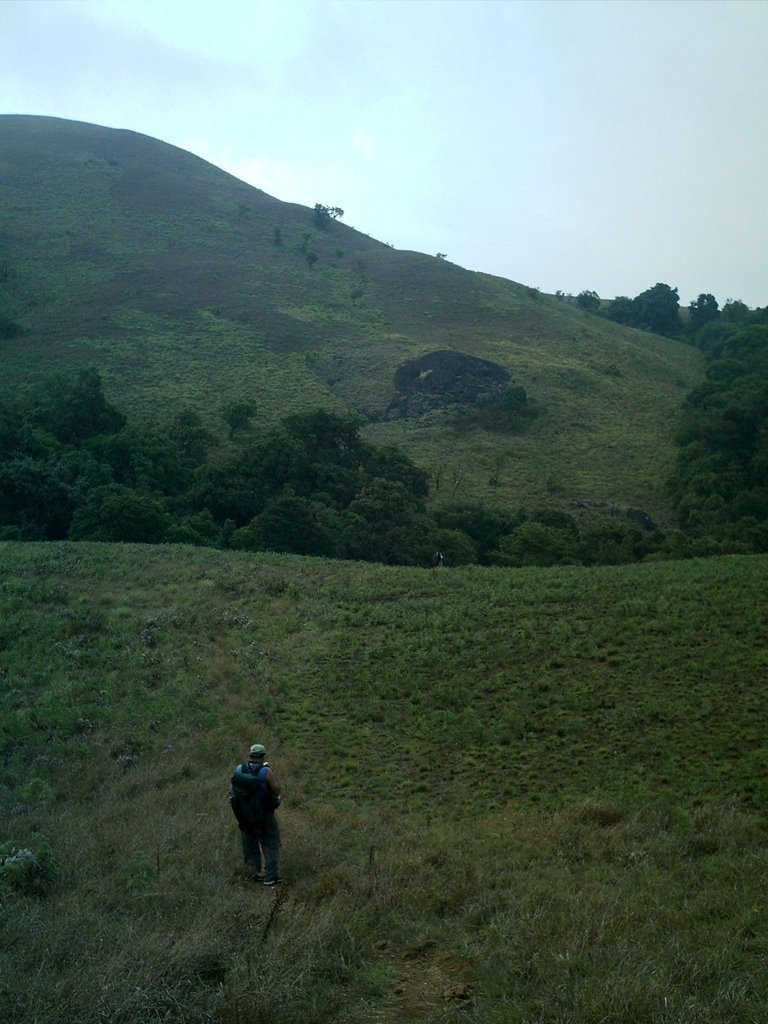
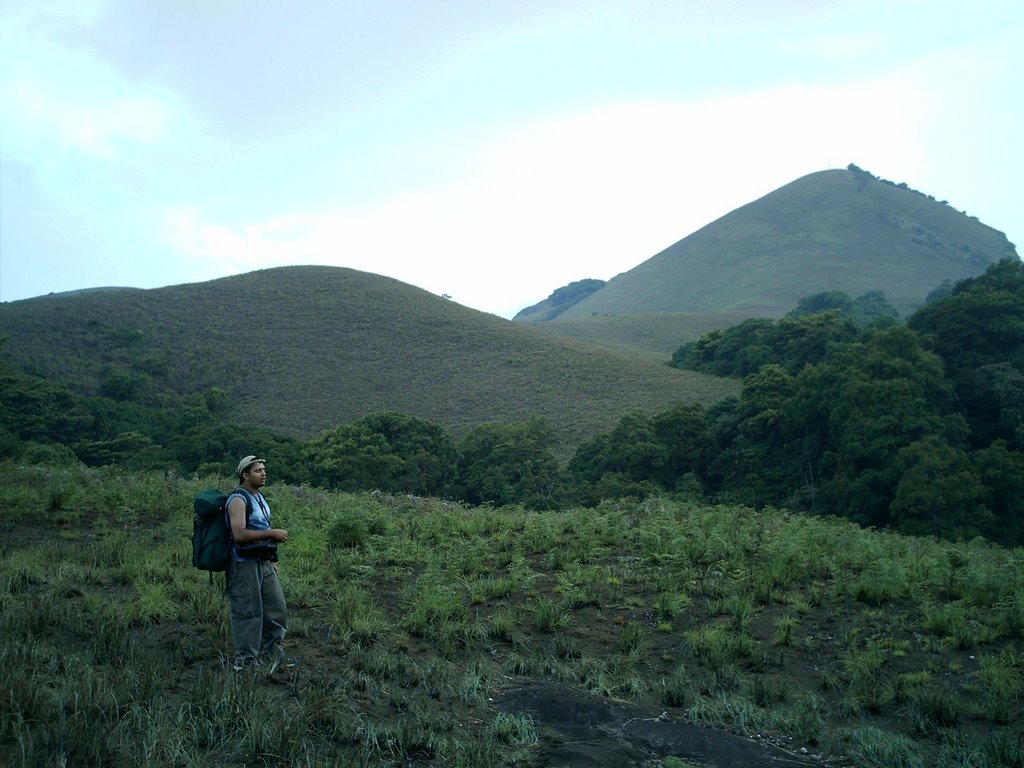
Both these encounters were experienced in the relative safety of a car but the the ones in Parambikulam, Kerala was more unnerving because we were on foot. Beej , Sahastra, Rohit and I had started our 18 km tramway trek along with a forest guard. Barely half a kilometre into our trek we saw an elephant herd with females and calves beside the road.
Aadhan, the forest guard, whispered to us to be silent and told us that elephants don't like human noise and are likely to be provoked into attacking if they heard us talk. A tribesman who was with us tapped a nearby tree trunk three times with his bamboo walking stick. The sound carried in a forest that had barely woken up. The elephants looked back, saw us and began moving away from the road. It was evidently an exhibition of mutual respect and understanding. I let go of the breath I was holding and raced off after the others...
 |
| The herd at Parambikulam |
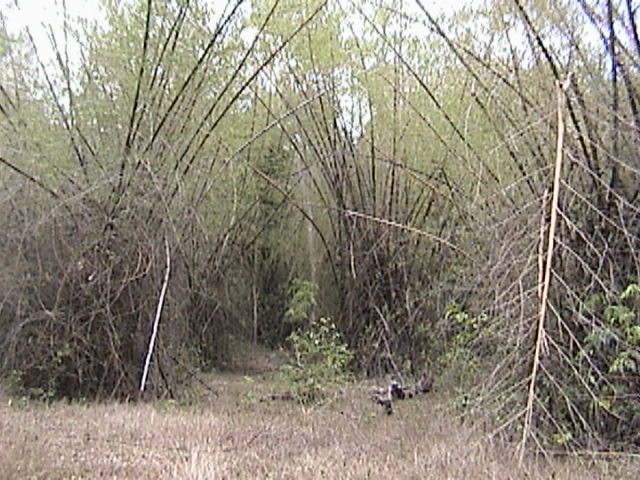
On our return, we heard loud noises of bamboo stalks snapping about 10 metres ahead to the right of our path. Our second guide Manoharan asked Aadhan to wait with us, motioning us to stay silent. He tiptoed to the source of the sound, peeped into the woods and came back looking grave. He then veered off the trail into the bushes and asked us to follow quietly. Bewildered, we entered the forest in the opposite direction of the noise, off the road, and walked parallel to the road for almost half a kilometer, after which we joined the road again. Back on the road, Manoharan said the elephant was an "Ottayan", referring to a lone tusker. These animals are known for their foul temper. Tapping the tree trunk would have only earned us a charge!
Here are a few things to keep in mind when you encounter an elephant or a herd:
- Keep your distance, always
- Avoid white and other bright colors as seeing this attracts their (unwanted) attention
- Avoid making noise and refrain from conversation
- An elephant that means business can outrun the fastest of humans, so never assume that you can beat these bulky beings by fleeing at the last moment
- Be it a mock charge or a real charge, both mean that you have encroached into the elephant's comfort zone. It wants you out of there. Obey.
All rights reserved
Still in love with elephants even after reading this post?! You might want to read: